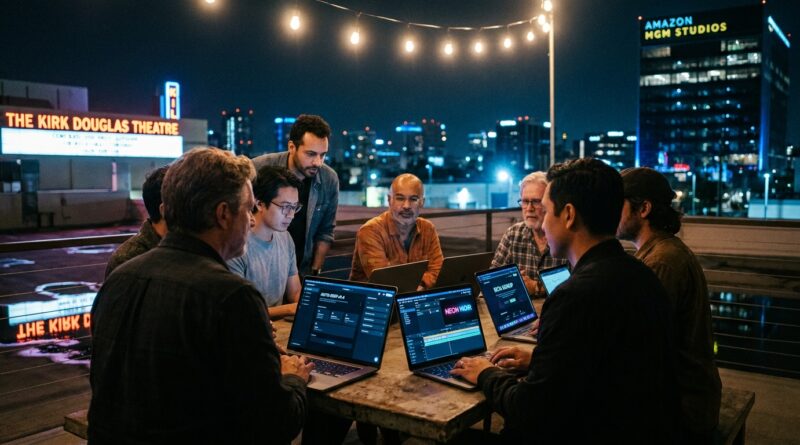
Tonight’s AI on the Lot Insider Shortcut: How To Turn One Hollywood Conference Ticket Into Your Own Ongoing Film Tech Preview Pass
You know the feeling. A new AI film tool gets whispered about on Tuesday, a slick recap hits the blogs on Friday, and by then the beta form is closed, the Discord is full, and the “limited tester” spots are gone. That is the annoying part of this whole scene. The best film tech often shows up first in side rooms, live demos, workshop chats, and quick founder conversations, not in polished press releases. That is why AI on the Lot 2026 early access film tools beta hunting needs a different mindset. If you treat AI on the Lot 2026, happening May 27 to 28 in Culver City, like a normal conference, you will probably leave with notes. If you treat it like a live map of hidden invites, you can leave with something much better. Think beta links, pilot program intros, test screening leads, and follow-up messages that actually get answered. The trick is knowing where to look, what to ask, and how to follow up while the event is still warm.
⚡ In a Hurry? Key Takeaways
- AI on the Lot 2026 is not just a conference. It is one of the best places to spot early access film tools, closed betas, and invite-only pilots before wider coverage lands.
- Your best targets are live scoring workshops, startup showcases, voice tech demos, and tool labs where speakers casually mention they need testers, case studies, or feedback.
- Even if you are remote, you can still win by tracking live posts, connecting with founders during the event, and sending short, specific messages while signups are still open.
Stop treating it like a conference badge. Treat it like a preview pass.
Most people go to events looking for information. That is fine, but it is also why they miss the good stuff.
At AI on the Lot, the useful openings often come out in passing. A founder says they are “opening a small creator cohort next month.” A panelist mentions they need editors to test a voice cleanup tool. A startup shows a rough but promising workflow for scoring, previs, or virtual production and says they are “still looking for a few filmmakers.” That sentence is the gold.
If you are hunting the AI on the Lot 2026 early access film tools beta angle, your job is simple. Listen for unmet needs. Listen for soft launches. Listen for phrases like “pilot,” “private alpha,” “creator group,” “research preview,” “limited rollout,” or “we’re taking names.”
Where the real beta chances usually hide
1. Live AI scoring workshops
These sessions are often better than polished keynote talks because the product is still a little messy. Messy is good. Messy means the team still needs feedback.
If a company is showing how AI helps with temp scores, scene matching, cue generation, or adaptive soundtrack ideas, ask practical questions. Not “What is your vision?” Ask, “Are you looking for filmmakers to test this on short projects?” or “Do you have a waiting list for composers or editors?”
That turns a nice chat into a real opening.
2. Voice tech and dialogue workflow demos
Voice cloning, ADR help, cleanup tools, multilingual dubbing, and character voice systems are moving fast. These products often need different accents, noisy recordings, indie workflows, and edge cases to improve.
That is good news for you. It means small creators can be useful test users.
If you hear a team mention “real world footage” or “production feedback,” they are telling you, politely, that they need testers.
3. Vibe-coding and tool lab sessions
These rooms attract builders, not just marketers. That matters.
When someone is building workflow tools for script breakdowns, shot lists, production planning, asset management, or scene generation in real time, there is often a GitHub, a Discord, a private form, or a founder email sitting one question away.
This is the kind of setting where a calm, simple question works best: “Is there a beta list or creator test group I can join?”
4. Startup showcases and demo tables
This is the most obvious hunting ground, but people still get it wrong. They wait until the end, grab a business card, and move on.
Better move. Ask what stage the product is in right now. Public release, waitlist, pilot, or invite only? Then ask what kind of tester is most useful to them. Editor, producer, indie director, educator, small studio, or remote reviewer.
Once they define the kind of tester they want, you can match yourself to that need.
What to say without sounding pushy
You do not need a slick pitch. You need a clear one.
Try this:
“I follow early film tools closely, and I like giving structured feedback. If you are opening a beta or pilot, I’d love to join the list. What is the best way to reach you while this is still rolling out?”
That works because it is short, useful, and low pressure.
You can also try:
“I’m less interested in the polished version than the test phase. Are you still bringing in early users?”
That tells them you understand what stage they are in. Founders remember that.
How to collect more than just business cards
A badge scan is not the goal. A next step is the goal.
Before you leave any promising conversation, try to get one of these:
- A waitlist link
- A direct email for beta requests
- A Discord or Slack invite
- A private demo booking link
- The exact date they expect to open testing
- Permission to message them after the session
If you only walk away with “follow us on social,” you probably did not dig far enough.
The remote shortcut most people ignore
You do not have to be in Culver City to use this event well.
If you are following remotely, build a quick watch list before the conference starts. Find speakers, startups, sponsors, and workshop leaders on LinkedIn, X, company sites, and event pages. Then watch what they post during the two event days.
Why during the event? Because people post more loosely when they are on the ground. They share booth photos, demo clips, slide screenshots, comments like “great feedback today,” and sometimes direct calls for testers.
This is the same basic habit behind Tonight’s Wikipedia Beta Shortcut: How To Turn One Quiet App Update Into Your Daily Stream Of New Test Builds. The pattern is simple. You do not wait for a big summary later. You watch the quiet signals while the rollout is still happening.
Your follow-up window is shorter than you think
Most early access opportunities cool off fast. Not in months. In days, sometimes hours.
So if you find a promising tool at AI on the Lot 2026, send your note that same day if possible. Next morning at the latest.
Keep it tight:
“Great seeing your demo at AI on the Lot. I’m interested in testing your workflow with short-form film projects and can share structured notes. If your beta list is still open, I’d love to join.”
That is enough. No life story. No giant paragraph.
How to spot the sessions with the best odds
Not every session is equal if your real goal is access.
Best bets usually include:
- Hands-on workshops
- Creator labs
- Startup demo rounds
- Case study panels with unfinished tools
- Small group discussions around workflow pain points
Lower odds usually include:
- Big trend panels with broad predictions
- Highly polished sponsor talks
- Celebrity sessions with little product detail
The general rule is easy. The more practical the session, the better your odds of hearing “we need people to try this.”
Build your own simple field guide before the event
You do not need a complex spreadsheet, but a small list helps.
Create four columns:
- Company or speaker
- Tool category
- Possible access clue
- Follow-up action
Example categories could be AI scoring, voice tools, virtual production, script analysis, previs, editing helpers, or filmmaker platforms.
Under “possible access clue,” write what you are listening for. Maybe “needs indie filmmakers,” “mentions pilot,” or “says opening soon.”
This keeps you from drifting through the event like everyone else.
Do not overlook screenings and side conversations
People think the main stage is where the opportunity lives. Sometimes it is. But screenings, hallway chats, and smaller creator meetups often surface the more interesting leads.
Why? Because people talk more honestly when they are not presenting a polished deck.
A filmmaker may mention the tool stack they used on a short. A producer may say a platform is inviting a handful of creators for the next round. A startup founder may admit their onboarding page is not public yet, but they can add a few names manually.
That is exactly the sort of moment most attendees walk past.
One ticket can keep paying off after the event
The smartest attendees do not end their search when the badge comes off.
Use the event to build a mini network around one theme. Maybe AI scoring. Maybe voice. Maybe virtual production for indie teams. Then keep watching those people for the next 30 to 60 days.
Companies often mention a beta at the event, then quietly open the form later. If you are already connected, you are much more likely to catch it in time.
That is how one conference ticket turns into an ongoing preview pass.
At a Glance: Comparison
| Feature/Aspect | Details | Verdict |
|---|---|---|
| Best beta-hunting sessions | Workshops, startup showcases, tool labs, and practical demos usually reveal open pilots and tester needs first. | High value |
| Remote participation | Following speaker posts, startup feeds, and live event chatter can still uncover waitlists and contact paths during the conference. | Worth doing |
| Follow-up timing | Same-day or next-day messages work best because many early access spots fill before mainstream coverage appears. | Important |
Conclusion
AI on the Lot 2026, May 27 to 28 in Culver City, is quietly becoming one of those rare places where new AI film tools, voice tech, scoring workflows, and filmmaker platforms show up before they are cleaned up for the mainstream. That is the opportunity. The gap is that most people still treat it like a normal industry event. It is not. It is a dense cluster of unannounced betas, invite-only pilots, and upcoming screenings packed into one place for two days. If you start listening for tester requests, ask direct questions in workshops and showcases, and follow up while the event is still active, you can turn one conference ticket into a much longer stream of previews. And even if you are remote, you can still do it. Watch the live signals, connect fast, and be the person who catches the door while it is still open.