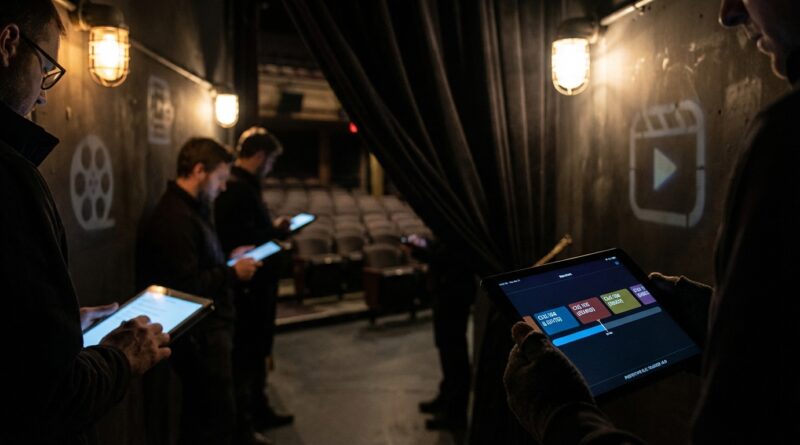
Tonight’s Theatre Tech Shortcut: How To Turn Beta Show Apps Into Your Backstage VIP Pass
You know that annoying moment when you finally hear about a promising new show app, stage tool, or cinema workflow helper, and the beta is already packed? It happens all the time. By the time a sign-up link escapes a private group chat or a buried Facebook comment thread, the best spots are gone. If you are tired of hunting through Reddit, stage lighting forums, and random pro theatre groups just to find one real invite, the good news is this: there are still theatre tech beta test opportunities out there, and they are often hiding in plain sight. The trick is knowing where early chatter happens, how to spot a serious project before it becomes public, and how to reply in a way that makes a developer think, “Yes, this is exactly the tester we need.” That is how a casual scroll turns into a genuine backstage pass.
⚡ In a Hurry? Key Takeaways
- The best theatre tech beta test opportunities usually appear first in niche theatre, lighting, production, and cinema communities, not app stores.
- Start following working professionals, watch for “looking for testers” language, and respond with a short, useful note about your setup and experience.
- Stick to legit projects, protect your data, and remember that small experimental tools can become big industry standards later.
Why these beta invites are so easy to miss
Most people look in the wrong places.
They search app stores. They check mainstream tech news. They wait for a polished landing page with a big “Join Beta” button. That works for consumer apps. It does not work nearly as well for stage and cinema tools.
A lot of theatre tech beta test opportunities begin as casual posts in specialist spaces. Someone in a lighting group mentions they are testing an idea. A developer comments that they might run a pilot if enough serious users are interested. A production manager asks if anyone wants to try a scheduling or cueing tool on a live show.
That is the moment to move. Not two weeks later.
Take something like Cuecam. If a tool like that is being floated inside pro stage lighting groups as a possible beta project, that is your signal. It may not have a full public launch page yet. It may not even have a formal waitlist. But if the right testers step up early, that conversation can turn into a real test group.
Where to find theatre tech beta test opportunities before everyone else
1. Niche Facebook groups still matter
Yes, really.
For theatre and live production, Facebook is still where plenty of working professionals talk shop. Look for groups tied to stage lighting, production management, sound design, cinema exhibition, projection, backstage operations, and regional theatre tech networks.
You are not just looking for obvious beta announcements. You are looking for soft signals like:
- “Would anyone use this?”
- “Thinking about opening this up to testers”
- “Need a few people from real productions”
- “Looking for feedback before launch”
Those are often your earliest clues.
2. Follow pro lighting and stage communities
Lighting people tend to hear about new tools early because they are often solving live problems in real time. Follow discussions around cueing, camera feeds, backstage comms, stage management software, rehearsal tools, and remote monitoring.
If a project is useful during tech week, someone in that world is probably talking about it before the general public ever sees it.
3. Watch smaller developer pages and comment sections
A lot of beta calls never make it to a press release. They show up in comments.
That is why you should follow the pages of indie creators, small production software shops, and hardware-adjacent app makers. The most valuable line is often not the post itself. It is a reply from the creator saying they are “thinking about opening a test round.”
4. Keep one simple tracking system
If you rely on memory, you will miss half of them.
Use a notes app or spreadsheet with:
- Project name
- Where you saw it
- Date spotted
- Contact method
- Status, such as “watching,” “messaged,” or “applied”
This sounds basic, but it stops you from losing good leads in the scroll.
How to tell if a beta opportunity is real
Not every “we need testers” post is worth your time.
Here is a quick gut-check list:
Clear problem, clear audience
A real project usually solves a specific issue. Maybe it helps stage managers view a cue feed, helps crews communicate backstage, or makes rehearsal logistics less messy.
If the creator cannot explain who it is for, be careful.
Some sign of industry context
It helps if the developer understands theatre or cinema workflows. They do not need a huge company behind them, but they should know the environment they are building for.
A practical ask
Legit beta calls usually ask for things like device type, production role, venue type, or use case. That is normal. It means they are trying to match testers to the product.
Not asking for too much, too soon
If someone wants unusual personal data, payment up front, or broad account access without a proper reason, walk away.
How to approach creators like a pro
This is where people often blow it.
A developer does not need another message saying, “Looks cool, can I join?” They need confidence that you will actually test the thing and give useful feedback.
Send a short message that includes:
- Who you are
- Your role or interest in theatre, film, or production
- Your setup, such as iPhone, Android, tablet, venue type, or crew position
- Why you are a good fit
- Your willingness to give feedback
For example:
“Hi, I saw your post about possibly opening a beta. I work with small theatre productions and regularly help with backstage coordination and lighting calls. I use iPhone and iPad on-site, and I would be happy to test in real rehearsal conditions and send clear notes. If you open a tester group, I would love to be considered.”
That is simple. It is polite. It tells them you are serious.
Turn “we might do a beta” into a real invite
Sometimes the opening is not formal yet. That does not mean you should wait quietly.
If a creator says they might start a beta if enough people are interested, your job is to lower the friction.
Reply with useful specifics
Tell them the kind of production environment you can test in. Community theatre. Black box venue. Touring setup. Student film set. Church stage. Small cinema booth. Specifics help.
Offer feedback, not just enthusiasm
Developers love enthusiasm. They need feedback more. Make it clear you can report bugs, explain what happened, and suggest improvements without being dramatic about it.
Encourage other serious testers
If you are in a trusted community, tag one or two people who would actually test, not twenty random friends. A small pool of credible testers can be enough to move a project from “maybe” to “let’s do it.”
This is also why Previewers Network readers have an edge. A coordinated group of serious early users is much more attractive than a pile of vague comments.
What makes you a valuable beta tester
You do not need to be a software engineer.
You do need to be observant.
The best testers for theatre tools are often the people who know where real productions get messy. That includes:
- Stage managers
- Lighting techs
- Sound operators
- Projection and cinema staff
- Crew members who handle backstage timing
- Film fans with access to real-world production environments
If you can say, “This breaks down during quick scene changes,” or “This works fine in rehearsal but not in low light during a live run,” that is gold.
And if you like finding early access projects in other corners of the entertainment world, you may also like Tonight’s Improv Beta: How To Get Paid To Test A New ‘Real‑World Social’ Gig Platform Before It Launches. It is a different kind of opportunity, but the same rule applies. Early access usually goes to the people who show up prepared.
Safety checks before you join any beta
Early access is fun. It should not be reckless.
Use a secondary email if possible
That keeps your main inbox cleaner and gives you a little separation.
Read what permissions the app wants
A backstage camera tool might need camera access. A cueing helper might need notifications. That is normal. A random tool asking for far more than it needs is not.
Ask how feedback is handled
Good beta programs usually have a clear contact method, a test group, or a simple bug report process.
Do not assume polished means trustworthy
Some rough betas are built by honest developers. Some slick-looking pages are not worth the risk. Use common sense and trust your instincts.
Why this matters more than people think
Small tools can become standard tools.
Today it is a niche app being discussed in a pro stage lighting group. Next year it could be something crews expect to see in every venue toolkit. Getting in early is not just about bragging rights. It gives you a chance to shape the product while it is still flexible.
That matters in theatre and film because the best tools are usually the ones built with real-world feedback from people actually doing the job.
At a Glance: Comparison
| Feature/Aspect | Details | Verdict |
|---|---|---|
| Where betas appear first | Usually in niche theatre, lighting, production, and cinema communities rather than public app marketplaces | Best place to start looking |
| Best way to apply | Send a short message with your role, device setup, testing environment, and promise of useful feedback | Much better than a generic “Can I join?” |
| Biggest risk | Wasting time on unclear projects or sharing too much data with unproven apps | Use basic safety checks before signing up |
Conclusion
Right now, real show and theatre tools are quietly looking for hands-on testers. Sometimes that looks like a polished beta page. Often it looks like a passing comment in a professional group, like talk around Cuecam potentially becoming a beta project if enough serious testers step forward. That is exactly the kind of opening most film and tech fans never see, because the calls live inside niche theatre communities instead of big public app stores. Once you know how to spot those early posts, reply like a professional, and keep track of promising leads, you stop being the person who hears about the beta after it is full. You become one of the first people in the room. And for Previewers Network members, that can mean early access to small experimental tools today that may become tomorrow’s must-have apps on film sets and stages.