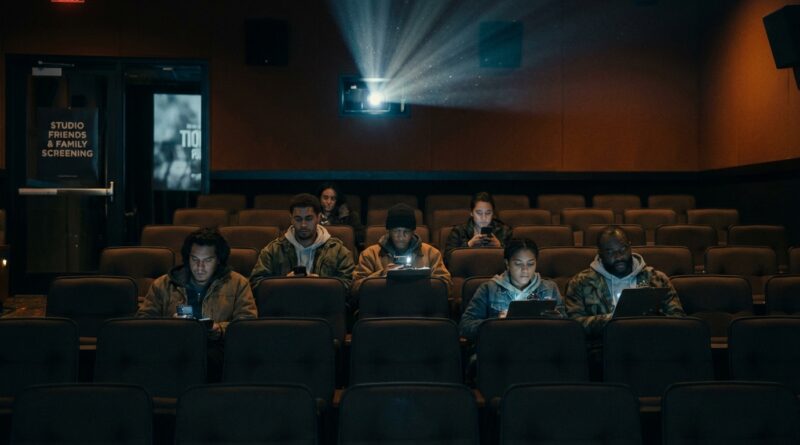
Tonight’s Secret Studio Pass: How To Turn ‘Friends And Family’ Movie Screenings Into Real Test‑Audience Seats
You are not imagining it. “Friends and family” movie screenings really do feel like a secret club, and most regular movie fans never even see the door. One week you hear that a big studio showed a rough cut to a packed crowd in your city. The next week there is still no public signup page, no theater listing, and no clear answer about who got in. That is the frustrating part. These seats often come from small local research firms, theater chain mailing lists, studio vendors, and last-minute overflow invites, not some magic Hollywood handshake. The good news is that this is more trackable than it looks. If you know where studios quietly recruit, how to spot the wording they use, and how to react fast when a call goes live, you can give yourself a real shot at getting invited to friends and family movie test screenings instead of finding out after the fact on Reddit.
⚡ In a Hurry? Key Takeaways
- The fastest way to get invited to friends and family movie test screenings is to join local screening agencies, theater research panels, and studio promo lists before a specific movie is announced.
- Set up alerts for phrases like “research screening,” “audience preview,” “advance promo screening,” and your city name, then respond quickly because many invites fill within hours.
- Legit screenings are usually free, overbooked, and tied to a survey or NDA. Never pay a random person online for a seat.
Why these screenings seem invisible
The name is part of the confusion. A lot of so-called “friends and family” screenings are not literally limited to studio relatives and producer buddies.
Sometimes the phrase is used loosely for a soft, low-profile audience fill. The studio wants reactions from real people, but it does not want a giant public blast that attracts only die-hard fans, spoilers, or people who just want a free night out.
So instead of posting a big RSVP page, they use smaller channels. Think market research firms. Local event promoters. Theater chain email lists. University film clubs. Community newsletters. Employee referral lists. Sometimes a radio station or city weekly gets a handful of seats too.
That is why it feels like the same insiders always get in. They are often just on the right boring mailing lists.
How to get invited to friends and family movie test screenings
If you want a repeatable method, think less like a fan hunting one movie and more like someone building a pipeline. Your goal is to be easy to find when screeners need bodies in seats fast.
1. Join local market research and screening firms first
This is the big one. Many test screenings are recruited by third-party research companies, not by the studio’s public website. Search for market research companies in your metro area and look for consumer panels, entertainment studies, or movie preview signups.
Good signs include forms asking for age, ZIP code, household info, moviegoing habits, and willingness to complete a questionnaire after the film.
Why this works: studios want a mix of ages, families, couples, frequent moviegoers, and casual viewers. Research firms already have that data, so they can fill a room quickly.
2. Sign up with theater chains and local independent cinemas
Big chains and regional theaters sometimes host preview nights without making a lot of noise about them. Join every email club you can find for theaters near you. Yes, even the boring loyalty newsletters. Especially those.
Some locations quietly send screening invites to members who open emails often or live within a target ZIP code. Others work with outside promo teams that use the theater’s list for ticket distribution.
3. Follow promo companies, not just movie studios
Studios are bad at advertising these directly. Promo agencies are better. Search your city plus terms like “advance screening,” “movie promo,” “film preview,” “audience screening,” and “RSVP passes.” Check Instagram, Facebook, and X. Smaller local accounts often post links that disappear quickly.
If you have ever wondered why someone on social media keeps scoring early screenings, this is often the answer. They follow the middlemen.
4. Use alert words that match how the industry talks
Searching “free early movie screening” is too broad. Use the terms recruiters actually use:
- test screening
- research screening
- preview screening
- audience preview
- friends and family screening
- advance screening passes
- movie survey screening
- recruiting moviegoers
Add your city, nearby suburbs, and even neighboring cities. A lot of people miss invites because the screening is listed in the metro area, not their exact town.
5. Fill out profiles completely and honestly
This matters more than people think. If a recruiter needs “women 25 to 44 who saw two movies in theaters this month” or “parents with kids ages 8 to 12,” an incomplete profile gets skipped.
Do not try to game the system. If your answers look fake or inconsistent, you are less likely to get picked again. Studios want useful feedback, not people pretending to fit every demographic bucket.
6. Respond fast, then show up early
Invites are often first come, first served, and screenings are frequently overbooked on purpose. That means your RSVP is not always a guaranteed seat.
If your pass says arrive 45 minutes early, believe it. For bigger titles, an hour early is safer. People with valid passes do get turned away when the room fills.
If you want a deeper look at how these low-profile passes circulate, Tonight’s Secret Beta Screenings: How To Turn Studio ‘Friends & Family’ Nights Into Your Own Private Film Festival does a nice job of breaking down the hidden channels.
Where these seats actually come from
Once you understand the supply chain, the whole thing feels less mysterious.
Studios and test screening vendors
For unfinished or pre-release films, studios often work with audience research vendors. These firms recruit based on age, location, and viewing habits, then collect surveys after the screening.
Regional PR firms and event promoters
These groups handle local buzz. They may hand out passes through radio contests, neighborhood partners, newsletters, and social accounts with tiny follower counts.
Theater partnerships
Chains and independents may host the event and pull from customer lists, especially if they know which members are active moviegoers.
Community and workplace spillover
When the first list does not fill the room, extras can spread through schools, offices, clubs, and local Facebook groups. That is why some “I know a guy” invites are real. They are just second-wave seat fills.
How to spot a real screening invite
Not every link floating around online is legit. A few quick checks can save you wasted time.
Signs it is real
- The screening is free.
- The form asks demographic questions.
- There is mention of surveys, confidentiality, or no-phone rules.
- The location is a normal theater or screening venue in your area.
- The invite comes from a recognizable local promo company, theater, research firm, or media outlet.
Signs to be careful
- Someone is selling seats.
- You are asked to pay “processing” or “membership” fees just for one screening.
- The website looks copied, broken, or stuffed with ads.
- There is no clear venue, time, or sponsor.
- The sender wants unusual personal data that has nothing to do with screening eligibility.
Rule of thumb: free pass, normal signup, quick survey. That is what legit usually looks like.
A simple repeatable system that actually works
If you want results, set this up once and let it run.
Your weekly screening routine
- Join 5 to 10 local theater and promo mailing lists.
- Search for 3 to 5 research firms in your metro area and register.
- Create Google Alerts for your city plus “test screening,” “advance screening,” and “audience preview.”
- Follow a few local radio stations, alt-weeklies, and entertainment promoters.
- Check spam and promo folders daily. A lot of invites land there.
- When you get one, RSVP immediately and plan to arrive early.
That is the not-glamorous answer. But it is the answer.
What to expect once you get in
A test screening is not always a polished red-carpet event. Sometimes you are seeing a rough cut. Effects may be unfinished. Music cues may be temporary. The ending might even change later.
You may be asked to lock up your phone. You may have to sign an NDA. You will probably fill out a survey, and in some cases you might stay for a group discussion.
This is where your value comes in. Studios are trying to learn what confuses audiences, what drags, what lands emotionally, and whether certain characters work. Your feedback is part of that process.
That is also why broadening who gets into these rooms matters. If only hardcore fans or connected regulars show up, the feedback mix gets narrow fast.
Common mistakes that keep people out
Only following national movie accounts
Most real opportunities are local. National studio accounts are usually the last place you will see them, if you see them at all.
Ignoring tiny mailing lists
The newsletter with 2,000 subscribers might be exactly where the link drops first.
Assuming a pass guarantees entry
It often does not. Overbooking is normal.
Showing up late
This is the easiest way to miss out, even after doing everything right.
Trying to act like an insider
Recruiters want reliable attendees, not drama. Be polite. Follow rules. Finish the survey. You are more likely to get picked again.
At a Glance: Comparison
| Feature/Aspect | Details | Verdict |
|---|---|---|
| Best source of invites | Local research firms, theater mailing lists, and regional promo agencies tend to post or send the most useful screening calls. | Most reliable |
| Fastest way to improve odds | Complete your profile fully, set city-based alerts, and RSVP the moment an invite appears. | Very effective |
| Biggest risk | Fake paid offers, bad links, or valid passes that still do not guarantee entry because screenings are overbooked. | Use caution |
Conclusion
The secret is that there usually is no single secret list. There are dozens of small ones. Right now studios are squeezing every bit of data out of pre-release test audiences while regular film fans are left guessing where those seats come from. If you build your own network of local screening sources, keep your profiles current, and move quickly when calls appear, you have a real chance to get invited to friends and family movie test screenings. That means more early access for you, more varied voices in the room, and a better shot at helping shape a movie before it is locked. For film fans, that is a lot more interesting than just waiting for opening night.