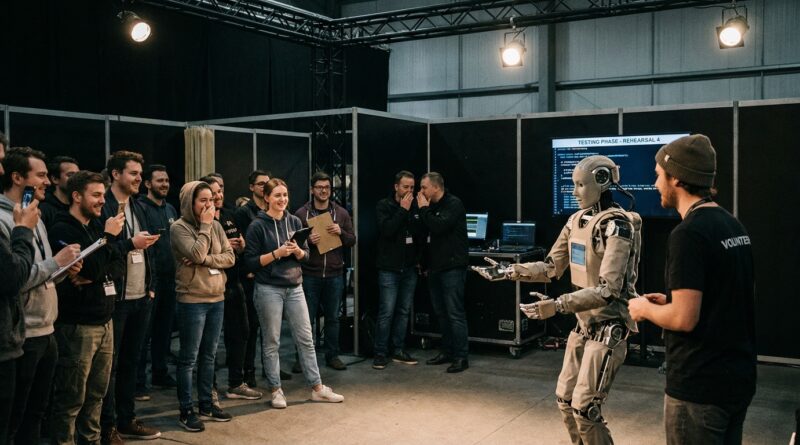
Tonight’s Robot Rehearsal: How To Get Cast In Live ‘Humanoid’ Demos Before The Tech Hits Stores
You see the polished robot clip weeks later and think, “How do people get into these things before everyone else?” It is frustrating, because by the time a humanoid robot hits your feed, the strange, funny, glitchy part is often over. The real action happens earlier, in rented conference halls, mall pop-ups, startup showcases and private demo days where companies need ordinary humans to react on camera, ask natural questions and say what felt awkward. That is the gap most people miss. If you want to know how to get invited to humanoid robot demos and live beta tests, stop waiting for flashy launch announcements. Start treating these events like a mix of casting call, product test and local live performance. The companies are not just showing off hardware. They are stress-testing attention, safety, conversation flow and crowd behavior. If you know where these early events surface, you can often get in before the tech is cleaned up for the public.
⚡ In a Hurry? Key Takeaways
- The fastest way in is to follow event organizers, robotics startups, PR agencies and conference listings, not just robot brands.
- Small public-facing demos often need reliable attendees, so message early, be local if possible and offer clear feedback after the event.
- Check filming consent, safety rules and NDA terms before you go, because some “open” demos are really soft-launch beta tests.
Why these humanoid demos stay quiet
Most people imagine a company builds a humanoid robot, books a giant launch and invites the press. Sometimes that happens. More often, the first public-ish appearances are much messier.
A retailer wants foot traffic. A trade show wants a crowd. A startup wants footage of normal people interacting with the robot. A PR team wants proof that the machine does not freeze the second a child waves at it. So they run a semi-public event with a limited audience and just enough visibility to get usable reactions without attracting chaos.
That is why these demos can feel hidden in plain sight. They are not always secret. They are just badly advertised unless you know the pattern.
Where invitations actually come from
1. Event companies, not robot companies
This is the first big shift. The robot maker may not even be the one handling attendance. Temporary agencies, experiential marketing firms, museum partners, shopping centers and conference producers often manage the guest list.
So if you are searching only for the robot brand name, you are already late. Search the venue, the expo, the local innovation festival and the event agency tied to the activation.
2. Conference side schedules
Main stages get headlines. Side rooms get the robots.
Look for words like “hands-on lab,” “innovation lounge,” “demo zone,” “startup showcase,” “mobility pavilion” and “VIP experience.” Humanoid robots are often tucked into those spaces because companies want closer interaction, better crowd control and cleaner video.
3. University and incubator demo nights
Not every humanoid event comes from a giant tech company. Robotics labs, startup accelerators and venture-backed incubators regularly host preview nights where founders need smart, curious people in the room. These are especially good if you want the rough version, not the polished one.
4. Casting-style audience calls
This surprises people, but some robot demos are effectively audience casting. The company wants people who are comfortable on camera, can follow light instructions and will actually engage instead of standing there with folded arms. Those invites may appear through local event boards, creator networks, student groups or product testing communities.
How to get invited to humanoid robot demos and live beta tests
Build a small, useful profile
You do not need to be famous. You need to look dependable.
Make sure your social bio or LinkedIn shows that you attend tech events, consumer electronics previews, maker fairs or beta programs. If you have ever tested gadgets, reviewed products or attended expos, mention it. Organizers want people who will show up, interact normally and give feedback that is more useful than “cool robot.”
Contact the right person with a short note
Keep it simple. A good message might say:
“Hi, I’m local and interested in attending any upcoming humanoid robot demos or robotics beta events you’re running. I’m comfortable giving structured feedback on usability, safety perception and audience experience. If you need engaged attendees for a live demo, I’d love to be considered.”
That works better than asking for “VIP access.” You are offering value, not begging for a favor.
Use local search terms that match how organizers think
Search for:
- robotics demo day + your city
- humanoid robot showcase + your city
- innovation festival robot demo
- interactive tech pop-up robot
- beta tester event robotics
- conference expo hall robot activation
Add venue names too. Convention centers, malls, museums and startup hubs often publish event calendars before the robot company posts anything.
Be early, then be easy
If an event listing says “limited capacity,” reply that day. If they ask you to register, do it immediately. If they send follow-up forms, complete them fast.
At this stage, organizers are often trying to solve one boring but important problem. They need enough real people in the room. Reliability counts more than status.
Best places to look this week, not six months from now
If your goal is front-row access before retail launch, focus on channels that update quickly:
- Eventbrite and local event apps
- Conference and expo schedules
- Meetup groups for robotics, maker culture and startups
- University engineering department calendars
- Museum late-night tech programs
- Mall and retail center “special event” pages
- PR agency social feeds
- Startup founders on LinkedIn and X
Also watch for wording like “closed beta demonstration,” “invitation requested,” “pilot experience,” “media and community preview,” or “live interaction study.” Those phrases often mean there is room for non-press attendees if you ask politely.
What companies want from you once you are inside
Think of the event as live theatre plus product beta. That mindset helps a lot.
The team is usually watching for a few things:
- Do people understand what the robot is trying to do?
- Do they instinctively trust it, avoid it or crowd it?
- Can the robot handle unpredictable conversation?
- Does the movement look impressive or unsettling?
- Do bystanders laugh, record, ask questions or walk away?
This is why audience quality matters. They do not just want bodies in the room. They want reactions that tell them whether the demo works in the real world.
Give feedback they can use
After the event, send a short note with three parts:
- What felt smooth
- What felt confusing or uncomfortable
- What one change would improve the demo
That makes you memorable. And memorable attendees get invited back.
Red flags to watch before saying yes
NDA confusion
Some events are public enough to attend but private enough that you cannot post freely. Ask first. Can you record? Can you share photos? Can you mention the company name? Better to know before you are asked to put your phone away.
Safety that feels improvised
Early humanoid demos can be awkward. That is part of the fun. But there should still be clear staff presence, controlled spacing and obvious stop procedures. If nobody seems to be managing the crowd around a moving robot, step back.
Overhyped language, no concrete details
If an invitation promises “history-making humanoid interaction” but will not tell you the venue setup, timing, filming terms or organizer name, be careful. Real demos can be scrappy, but they should not be vague about basics.
How to turn one invite into a steady stream of them
The trick is not just getting in once. It is becoming the kind of attendee organizers remember.
- Arrive on time
- Follow instructions without being stiff
- Interact naturally with the robot
- Do not hog staff time
- Give clear post-event feedback
- Ask to hear about future showcases
If you create content, post thoughtfully. Do not mock glitches just to chase clicks. A small stumble in motion or speech is often exactly what makes these previews interesting. Respect gets noticed.
Why this matters now
Humanoid robots are escaping the lab faster than many people realize. Not because they are fully ready, but because companies need public behavior data. They need to see what happens when a robot meets shoppers, commuters, conference crowds and curious families.
That creates a sweet spot for early access. These are not always elite press moments. Many are under-advertised public tests wearing an event badge.
If you treat them that way, you have a real chance of getting in.
At a Glance: Comparison
| Feature/Aspect | Details | Verdict |
|---|---|---|
| Best route to an invite | Follow event organizers, venues, expos, incubators and PR firms rather than waiting for the robot brand to announce a launch. | Most effective |
| What gets you picked | Being local, responsive, comfortable on camera and able to give short, practical feedback after the demo. | High value to organizers |
| Biggest risk | Confusing filming rules, last-minute changes and safety setups that are not clearly explained. | Check before attending |
Conclusion
If you have been waiting for a big polished launch, you are probably aiming too late. The better move is to look for the half-public rehearsal, the conference side room, the mall activation and the startup showcase where companies still need real people in front of the robot. That is where the memorable moments happen. This helps the Previewers Network community right now because humanoid demos are moving out of labs and into malls, conferences and pop-up shows much faster than most people realize, and many of them are built around small, under-advertised crowds that can still be joined if you know where to look. Treat these demos like live theatre plus product beta, and you can get front-row access while the robots are still glitchy, improvising and genuinely hungry for feedback, instead of only seeing the polished promo reels months later.