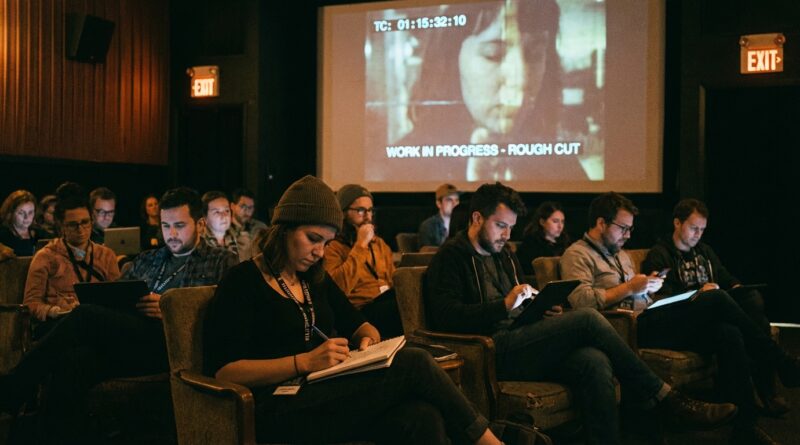
How To Turn ‘Works In Progress’ Screenings Into Your Private Test‑Audience Gig In 2026
You know the feeling. You finally hear about a “works in progress” screening for a film you would happily watch in half-finished form, and by the time you click, it is full. Or worse, it was never really public in the first place. A lot of film fans assume these rough-cut events are only for festival badges, industry guests, or people who already know someone. That used to be closer to the truth. In 2026, it is getting easier for regular movie nerds to get in, if you know where to look and how to act once you do. The trick is to stop chasing random free preview passes and start treating work-in-progress screenings like a system. Festivals, labs, local film groups, and private audience platforms all need thoughtful viewers. If you build a simple routine now, you can turn these events into your own steady stream of early screenings and become the kind of audience filmmakers actually want back.
⚡ In a Hurry? Key Takeaways
- To learn how to get into work in progress film screenings 2026, start with festival labs, filmmaker newsletters, local cinema groups, and audience-feedback platforms, not general movie listings.
- Your best move is to build a short “test audience profile” and respond fast when calls open, because seats usually go in hours, not days.
- These screenings only keep happening if viewers are respectful. Follow NDA rules, give useful feedback, and never post spoilers or clips.
Why these screenings feel impossible to find
The frustration is real. Most people hear about rough-cut screenings after the room is already full. That is because many of them are not advertised like normal movie events.
They often live in small places. A festival sidebar page. A filmmaker’s email list. A private RSVP form on Instagram Stories. A local arts center newsletter nobody thinks to check.
So if you are waiting for one big website to list every event, you will keep missing them.
What changed for 2026
More festivals, post-production labs, and development programs are opening feedback sessions beyond the usual insider circle. They still want quality control, but they also want reactions from actual viewers who are not deep in the industry bubble.
That matters. A director may love hearing from an editor or sales agent, but they also need to know when a scene drags, a plot point is confusing, or a joke lands with regular humans.
That is your opening.
Where to actually find work-in-progress screenings
If you want to crack how to get into work in progress film screenings 2026, focus on the places where unfinished films already gather.
1. Festival labs and “Works in Progress” programs
Look beyond the headline premieres. Many festivals run side programs for films still being edited or financed. Search for terms like “Works in Progress,” “Rough Cut Lab,” “Post-Production Showcase,” “Industry Days,” and “Audience Feedback Screening.”
Then do one extra step most people skip. Check whether the event has:
- a public RSVP waitlist
- community audience applications
- student or local-culture passes
- volunteer access
- mailing-list alerts for added screenings
Sometimes the answer is buried in an FAQ, not on the main page.
2. Independent cinemas and arts centers
Local theaters often host private previews for directors, distributors, or film-school partners. These can be gold because they are less crowded than festival events and more likely to need everyday audience reactions.
Call the venue. Yes, actually call. Ask one simple question: “Do you ever host preview or feedback screenings for unfinished films, and if so, is there a mailing list for audience signups?”
That tiny bit of effort can put you on lists other people never hear about.
3. Film schools and media departments
Graduate programs, MFA departments, and documentary labs often need outside viewers. Students and early-career directors want feedback from people who are honest but not harsh.
Check university event calendars, alumni groups, and community screening nights. Some are public. Others become public if enough seats remain.
4. Filmmaker newsletters and social accounts
This is one of the easiest paths. Follow working directors, producers, editors, and boutique distributors on Instagram, Substack, and email newsletters. Smaller filmmakers especially will post “friends and audience wanted” invites when they need a room filled quickly.
Turn on notifications for the people whose films you would genuinely watch. Speed matters.
5. Audience-research and preview platforms
Some companies recruit viewers for test screenings, rough cuts, and post-screening surveys. Not all of these are glamorous, but they are practical. Think of them as the steady weekday version of the flashier festival event.
If you sign up, fill out your profile well. Be specific about the genres you watch, how often you attend theaters, and whether you are comfortable giving written feedback.
Build your “private test-audience” setup
You do not need a fancy system. You need a repeatable one.
Step 1: Make a dedicated email address or folder
Use one inbox or one labeled folder just for screening invites. Festival alerts disappear fast when mixed in with shopping emails and work messages.
Step 2: Create a short audience bio
Write 4 to 6 lines about yourself. Keep it normal.
Example:
“I’m a regular cinema-goer based in Manchester who watches 2 to 3 films a week, with a strong interest in indie drama, horror, documentaries, and international releases. I’m comfortable giving short written feedback after screenings and happy to respect spoiler and NDA rules.”
That is enough. You are showing that you are serious, not trying to sound like a studio executive.
Step 3: Set alerts
Use Google Alerts for phrases like:
- works in progress screening
- rough cut screening audience
- test screening call for audience
- festival work in progress 2026
- preview screening feedback film
Also search Eventbrite, local cinema calendars, university arts pages, and festival sites once a week.
Step 4: Respond fast, but sound human
A lot of seats disappear because people hesitate. If a screening asks for interest, reply that day.
Keep your message short:
“Hi, I’d love to attend if space is available. I’m a regular filmgoer and happy to provide thoughtful feedback afterward. I understand if confidentiality rules apply.”
That works better than a giant paragraph about your Letterboxd rankings.
How to get picked more than once
The first invite matters. The second and third are where this becomes your thing.
Give feedback that is useful, not showy
Filmmakers do not need you to rewrite their film. They need to know what played clearly and what did not.
Good feedback sounds like this:
- “I was invested until the midpoint, then got a little lost on why she changed her mind.”
- “The opening scene looked great, but I did not yet understand the stakes.”
- “The last 15 minutes felt stronger than the first 15.”
Bad feedback sounds like this:
- “This should be a completely different movie.”
- “Cut character X, add more explosions.”
- “It reminded me of ten better films.”
Be reliable
If you RSVP, show up early. If there is a survey, complete it. If there is an NDA, obey it. A lot of organizers quietly keep track of who is respectful.
This is how regular viewers become trusted viewers.
Do not act like you are collecting exclusives
A work-in-progress screening is not a status item. If you treat it like a secret trophy for social media, you probably will not be invited back.
Think of it more like a book club for unfinished films. You are there to help.
What to say if an event seems “industry only”
Do not automatically rule yourself out. Many “industry” events still need general audience seats, especially at the last minute.
Send a polite note:
“Hi, I noticed this event may be primarily for industry attendees, but if you need additional audience members for feedback, I’d be glad to be considered. I’m a local filmgoer and comfortable providing post-screening notes.”
You will not always get in. But sometimes they need ten more bodies in seats by tonight, and the person who asked nicely gets the call.
Best places to stand out in 2026
Right now, the best openings are in the middle layer of the film world. Not the giant prestige premiere. Not the random free pass site either.
Look for:
- regional film festivals expanding year-round labs
- documentary development programs
- genre festivals with rough-cut showcases
- microcinemas and repertory theaters testing local partnerships
- streaming-adjacent audience research panels
That is where demand for real feedback is growing fastest.
Red flags to watch for
Most screening invites are harmless. Some are sloppy. A few are shady.
Skip it if:
- they ask for money just to “apply” for a test audience slot
- the event page has no clear organizer or venue
- they want personal information that has nothing to do with attendance
- they pressure you to share referral links before confirming a seat
- they ban phones but cannot explain who is hosting the screening
A real organizer can tell you what the event is, who is running it, and what kind of feedback they want.
If you live outside a major film city
You are not locked out. In fact, you may have an advantage for online feedback screenings. Filmmakers often want reactions from outside the usual New York, Los Angeles, or London crowd.
Search for virtual rough-cut screenings, online documentary previews, and password-protected audience surveys. These became much more common and they are not going away.
If you can speak clearly about your viewing habits and taste, your location matters less than you think.
Make yourself easy to invite
This part is boring. It also works.
- Use your real name in emails and RSVP forms.
- Check spam folders.
- Reply quickly to confirmation messages.
- Keep your social profiles public enough to look like a real person.
- Have a simple note ready on why you enjoy giving audience feedback.
You are trying to make an organizer’s job easier. People remember that.
At a Glance: Comparison
| Feature/Aspect | Details | Verdict |
|---|---|---|
| Festival and lab screenings | Best for serious film fans. Harder to spot, but often lead to repeat invites if you give solid feedback. | Highest value if you can get on the right mailing lists. |
| Local cinema and school previews | Less glamorous, easier to access, and more likely to welcome normal audience members. | Best starting point for most readers. |
| Online audience-feedback platforms | Convenient and steady, though sometimes less exciting than in-person festival events. | Great backup plan and especially useful outside big cities. |
Conclusion
If you have been treating these screenings like lucky accidents, that is the part to change. Right now, major festivals and labs are quietly expanding their Works in Progress and rough-cut platforms for 2026, which means more films than ever will be hunting for real-world feedback long before release. If our community learns how to plug into those calls today, we can lock in months of guaranteed early screenings, help shape final cuts, and build relationships with filmmakers, instead of fighting for one-off free preview passes that vanish overnight. Start small. Join the right lists. Answer quickly. Be the person who gives thoughtful notes and keeps their mouth shut when a film is unfinished. Do that a few times, and your “how do people get into these?” problem can turn into a regular private test-audience gig.